Source High Recovery Gravity Jig Machine for Mining, Gems, and Manganese
Compare 30 high recovery gravity jig machine listings from Chinese manufacturers. Buyers can evaluate specifications like capacity, feeding size, and recovery rates to find suitable equipment for mineral separation and gem recovery applications.
Key considerations
Products List


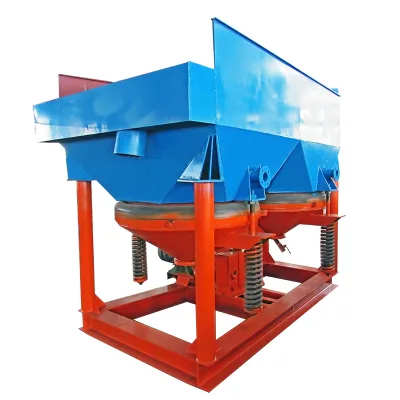
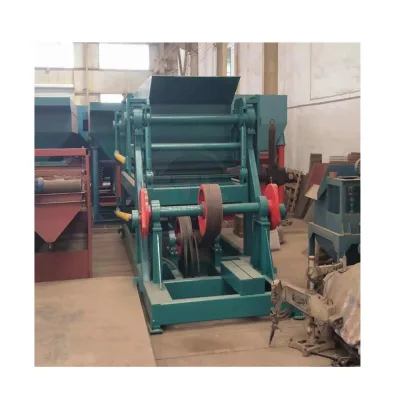


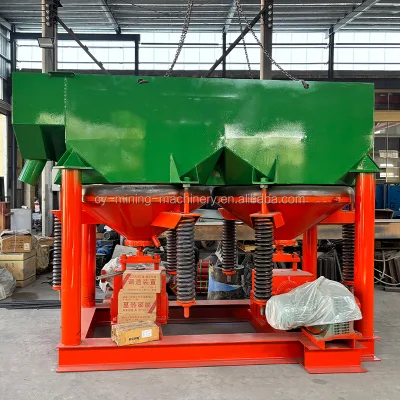
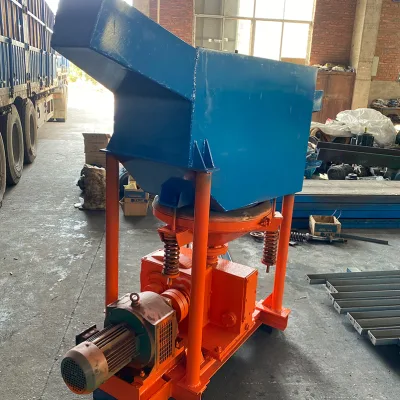
Comprehensive Sourcing Guide
High Recovery Gravity Jig Machine Sourcing Guide
Selecting the right gravity separation equipment is a critical decision for mineral processing operations aiming to maximize yield while minimizing operational costs. The high recovery gravity jig machine stands out as a robust solution for concentrating heavy minerals, leveraging the principles of density separation to effectively sort materials based on specific gravity differences. For procurement specialists, understanding the nuances of these machines is essential to ensure that the selected equipment aligns with the specific characteristics of the ore body and the desired throughput requirements. This guide provides a structured approach to sourcing these machines, focusing on verified technical parameters, compliance standards, and commercial terms derived from current market listings.
The procurement process for gravity jigs requires a shift from viewing them as generic industrial machinery to treating them as specialized separation systems. Buyers must recognize that performance is heavily influenced by feed characteristics, such as particle size distribution and density variance, rather than just the machine's nominal capacity. By grounding sourcing decisions in observed listing signals and verified technical specifications, procurement teams can mitigate the risk of underperformance. This guide outlines the key areas of focus, including product scope, technical verification, compliance, cost analysis, supplier qualification, and long-term operational checks, to facilitate a confident and informed purchasing decision.
Product Scope and Observed Listing Signals
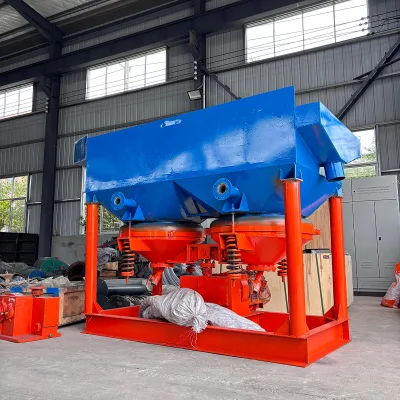
The market for high recovery gravity jig machines presents a diverse range of models, primarily identified by series designations such as JT1, JT2, and JT3, which often correlate with specific chamber configurations and processing capacities. Listings indicate that these machines are predominantly manufactured in Ganzhou, Jiangxi, China, a region known for its concentration of mineral processing equipment suppliers. The observed product scope includes variations in color, such as blue, green, and multi-color options, which may reflect different manufacturer branding or specific model lines rather than functional differences. Buyers should note that the term "Gravity Separator" is frequently used interchangeably with "jig machine," but the specific internal chamber design—whether shape, ladder, or rectangular—is a critical differentiator that impacts separation efficiency.
Observed listing signals reveal a wide spectrum in capacity and physical dimensions, suggesting that these machines are highly customizable to meet specific plant requirements. Capacity ranges from small-scale units handling 1.5 to 30 tons per hour down to more specialized models with capacities as low as 2-4 tph, indicating that buyers must match the machine size to their daily tonnage goals. The feeding size is another key signal, with listings showing capabilities for feed sizes under 25mm, 0-30mm, and 0-10mm, which directly influences the pre-processing requirements of the ore. Additionally, the condition of these machines is consistently listed as "New," and customization is widely available, allowing for tailored solutions regarding voltage, such as 380V, and motor power, typically around 2.2kw for smaller units.
Technical Specifications to Verify
When evaluating technical specifications, the recovery rate is a paramount metric, with observed listings claiming ranges between 80% and 95%. However, buyers must verify how these rates are calculated and under what feed conditions, as recovery efficiency is highly dependent on the specific gravity of the target minerals and the consistency of the feed density, which is often cited between 30% and 50%. The feeding size specification is equally critical; discrepancies in listings, such as <25mm versus 0-30mm, require clarification to ensure the machine can handle the actual particle size distribution of the raw material without excessive oversize rejection or blinding of the jig screen.
Dimensional and structural specifications provide insight into the machine's footprint and internal mechanics. Listings indicate dimensions such as 227011101890mm for certain models, with weights varying significantly from under 1 ton to 5 tons, reflecting differences in steel construction and chamber volume. The chamber type, whether shape, ladder, or rectangular, dictates the water pulsation pattern and material stratification, which are fundamental to the separation process. Buyers should also verify the motor power requirements, as listed values like 2.2kw may apply only to specific smaller models, and larger capacity units will require higher power inputs to maintain the necessary pulsation frequency and amplitude for effective separation.
Compliance and Safety Documentation
Compliance with international standards is a baseline requirement for importing and operating mineral processing equipment. Observed listings frequently cite CE and ISO9001 certifications, indicating that manufacturers adhere to European safety directives and international quality management systems. The ISO9001 certification, in particular, suggests a standardized approach to manufacturing processes, which can be a proxy for build quality and consistency. Buyers should request copies of these certificates and verify their validity with the issuing bodies, ensuring that the specific model being purchased is covered under the certification scope and that the certificates are current.
Safety documentation and operational guidelines are essential for ensuring safe installation and maintenance procedures. While specific safety standards beyond CE are not always detailed in general listings, the presence of CE marking implies compliance with relevant machinery directives regarding electrical safety, mechanical guarding, and noise emissions. Buyers should ensure that the supplier provides comprehensive operation manuals, electrical schematics, and maintenance schedules in English. Additionally, the provision of spare parts and guidance on installation, including the availability of engineers for overseas service, is a critical component of the compliance and support framework, ensuring that the machine can be operated safely and efficiently in the buyer's jurisdiction.
Cost Drivers and Commercial Terms
The cost of high recovery gravity jig machines is influenced by several factors, including capacity, material construction, and the level of customization required. Observed price ranges in the market span from $500 to $40,000, reflecting the vast difference between small, bench-scale units and large, industrial-grade separators. The "competitive" pricing noted in some listings suggests a highly competitive market, but buyers should be cautious of prices that seem unusually low, as they may indicate compromises in material quality or the exclusion of essential components like motors or control panels. The weight of the machine, ranging from under 1 ton to 5 tons, also impacts shipping costs, which should be factored into the total landed cost.
Commercial terms such as warranty, packing, and delivery time are significant variables in the procurement equation. Listings commonly offer warranties of 1 or 2 years, with some suppliers providing guidance for installation and overseas service support. Packing methods vary from nude packing to export-standard wooden crates, which affects the risk of damage during transit and the associated insurance costs. Delivery times are often cited as short, with some suppliers claiming 2-day delivery for in-stock items, but buyers must verify if this applies to the specific model and configuration required. The minimum order quantity (MOQ) is consistently observed as 1, indicating that these machines are typically sold as individual units rather than in bulk, allowing for flexible procurement strategies.
Supplier Qualification and Quality Control
Supplier qualification is a critical step in mitigating procurement risk, especially when sourcing from international markets. Buyers should prioritize suppliers who demonstrate a clear manufacturing capability, as evidenced by their ability to provide detailed technical specifications and customization options. The presence of a brand name, such as Gelin, and a specific product standard like JT, can help in identifying established manufacturers. However, buyers should conduct due diligence to verify the supplier's business license, production capacity, and history of exports. Requesting references from previous clients or visiting the factory, if feasible, can provide valuable insights into the supplier's reliability and quality control processes.
Quality control measures should be explicitly discussed and agreed upon before placing an order. Buyers should inquire about the testing procedures performed on the machines before shipment, including load tests and separation efficiency checks. The availability of spare parts is a key indicator of the supplier's commitment to long-term support, and buyers should ensure that a comprehensive list of consumable and critical spare parts is provided. Additionally, the supplier's ability to provide engineering support for installation and troubleshooting is crucial, particularly for complex gravity separation systems. Clear communication regarding the scope of support, including the availability of engineers for overseas service, can prevent costly downtime and operational issues.
Long-Term Procurement Checks
Long-term procurement success depends on establishing a sustainable relationship with the supplier and ensuring the machine's performance over its operational lifespan. Buyers should monitor the machine's recovery rate and energy consumption during the initial commissioning phase to verify that it meets the claimed specifications. Regular maintenance checks, including the inspection of the jig screen, pulsation mechanism, and water supply system, are essential to maintain optimal performance. Buyers should also keep a record of any issues encountered and communicate them to the supplier to facilitate continuous improvement and support.
As operational needs evolve, the ability to upgrade or modify the machine becomes important. Buyers should verify the supplier's capacity to provide upgrades, such as larger motors or modified chambers, to adapt to changing feed characteristics or increased throughput requirements. The availability of technical documentation and training materials should be reviewed periodically to ensure that operational staff are adequately trained. Finally, buyers should stay informed about advancements in gravity separation technology, as newer models may offer improved efficiency or lower energy consumption, providing opportunities for future procurement optimizations.
FAQs
What is the recovery rate for high recovery gravity jig machines?
The recovery rate typically ranges from 80% to 95% for mineral separation applications. This efficiency supports effective concentration of materials like diamond, gems, and manganese. The performance depends on specific model configurations and operational parameters such as feeding density and size.
What is the feeding size limit for these gravity separators?
The feeding size generally ranges from 0 to 30mm depending on the specific model. Some configurations handle sizes under 25mm, while others accommodate up to 30mm. This variation allows flexibility for different mineral processing requirements and feed material characteristics.
Can the machine be customized for specific mineral recovery needs?
Yes, customization is available for various mining concentration tasks. The equipment supports tailored solutions for recovering diamonds, gems, and manganese. Buyers can select specific models and configurations to match their unique operational requirements and material processing goals.
What certifications do these gravity jig machines hold?
The machines typically hold CE and ISO9001 certifications. These standards ensure quality management and compliance with international safety and performance requirements. The certifications apply to various models and color options, providing assurance for global procurement and operational safety.
What is the warranty period for the gravity separator equipment?
The warranty period is usually one year or two years depending on the specific model and supplier terms. This coverage supports the new condition of the machinery. Buyers should verify the exact warranty duration during procurement to ensure adequate support for their investment.
How is the machine packed for export shipping?
Packing methods include nude, container, or wooden packing based on the model size. Large units may be non-packed due to their dimensions, while others follow export packing standards. This flexibility ensures safe transportation while optimizing logistics costs for international buyers.